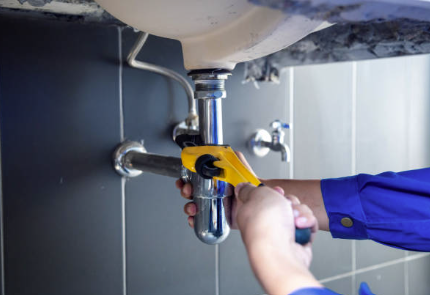
Kitchen Sink Clogged? Expert Drain Cleaning Solutions for Homeowners | FixHome24
Kitchen sink draining slowly? Learn the causes and get professional plumbing services to restore proper flow
It starts with water draining a little slower than usual. Then one morning, you turn on the faucet and the water simply refuses to go down. A clogged kitchen sink is one of the most common and disruptive plumbing problems homeowners across the USA face — and it always seems to happen at the worst possible time.
Whether you are dealing with a stubborn grease blockage in California, a food-particle buildup in Dallas, a slow-draining sink in Florida, or a completely backed-up kitchen drain in San Diego, ignoring the problem only makes it worse. What starts as a minor inconvenience can quickly escalate into standing water, foul odors, pipe damage, and expensive emergency plumbing repairs.
This guide gives you real, practical solutions — from safe DIY steps you can try at home to knowing exactly when it is time to call a licensed plumber near you.
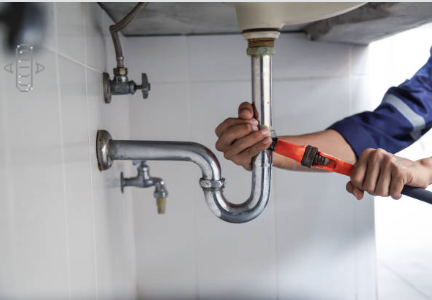
What Causes a Kitchen Sink to Clog?
Understanding the root cause of your clogged kitchen sink is the first step toward fixing it correctly and preventing it from happening again. Kitchen drains handle a tremendous amount of daily activity, and over time, certain materials accumulate inside the pipes and restrict water flow.
The most common causes of kitchen sink clogs in homes across California, Texas, Florida, and other states include the following.
Grease and Cooking Oil Buildup: This is the number one cause of kitchen drain clogs in the USA. When hot grease or oil is poured down the drain, it flows freely in liquid form — but as it cools inside the pipe, it solidifies and sticks to the pipe walls. Over weeks and months, this layer thickens and eventually blocks the drain entirely.
Food Particles and Debris: Even homes with garbage disposals experience clogs from food waste. Starchy foods like rice and pasta expand when wet and stick to pipe walls. Coffee grounds, eggshells, and fibrous vegetables like celery are particularly problematic because they do not break down easily and accumulate rapidly.
Soap Scum and Detergent Residue: Dish soap and detergent leave behind a residue that builds up inside drain pipes over time. Combined with grease and food particles, soap scum forms a dense, sticky blockage that is difficult to dissolve without professional treatment.
Hard Water Mineral Deposits: In states like California and Texas, hard water is a widespread issue. The minerals in hard water — primarily calcium and magnesium — deposit inside pipes and narrow the flow passage over time, making clogs worse and more frequent.
Damaged or Poorly Pitched Pipes: In older homes found throughout Florida and San Diego, drain pipes may be cracked, corroded, or improperly angled. These structural issues cause waste to collect rather than flow freely toward the main sewer line.
Common Problems Homeowners Experience with a Clogged Kitchen Sink
Beyond the obvious standing water, a clogged kitchen sink causes a chain of related problems that affect your daily life and your home’s plumbing system as a whole.
- Water backs up into the sink basin and refuses to drain for hours
- Foul, sewage-like odors rise from the drain due to decomposing food and bacteria
- Gurgling sounds occur when you run water in another fixture, signaling a shared pipe blockage
- The garbage disposal becomes jammed or stops working effectively
- Water leaks appear under the sink cabinet due to pressure buildup in the drain lines
- Fruit flies and drain flies appear near the sink, drawn by organic buildup inside the pipes
Any one of these signs indicates that the clog is beyond surface-level and requires immediate attention.
Step-by-Step: Safe Solutions to Try Before Calling a Plumber
For minor or early-stage clogs, there are several safe methods homeowners can try at home before scheduling a professional service call.
Step 1 – Clear the Drain Manually: Start by removing the drain cover and using gloved hands or a small tool to pull out any visible debris, food scraps, or grease deposits sitting near the surface of the drain opening.
Step 2 – Use a Sink Plunger: Place a cup plunger directly over the drain opening, ensuring a tight seal. Push and pull firmly several times to create suction pressure that can dislodge shallow blockages. This method works best when there is standing water in the basin.
Step 3 – Baking Soda and Vinegar Method: Pour one full cup of baking soda directly into the drain, followed immediately by one cup of white distilled vinegar. The resulting chemical reaction creates a fizzing action that breaks down grease and soft organic material. Cover the drain for 15 to 20 minutes, then flush with very hot water.
Step 4 – Boiling Water Flush: For grease-based clogs, carefully pour boiling water down the drain in two or three stages, allowing 30 seconds between each pour. The heat softens and loosens solidified grease, allowing it to flush through the pipe.
Step 5 – Use a Drain Snake or Hand Auger: A manual drain snake can reach 15 to 25 feet into the pipe and physically break apart or retrieve the blockage. Insert the snake into the drain, rotate it clockwise, and work it deeper until you feel resistance. This is more effective than a plunger for deeper clogs.
Important Warning: Do not use store-bought liquid chemical drain cleaners as a regular solution. Products like Drano and similar chemical cleaners contain powerful corrosive agents that damage pipe materials over time, particularly in older homes throughout Florida and California. Repeated use can lead to pipe thinning, leaks, and eventually full pipe replacement — which costs far more than a professional cleaning.
Benefits of Professional Kitchen Drain Cleaning Services
Hiring a qualified plumber from FixHome24 to handle your clogged kitchen sink delivers results that no home remedy can match.
Complete Blockage Removal: Professional hydro-jetting blasts through years of grease, scale, and debris buildup, restoring pipes to near-original flow capacity — not just punching a temporary hole through the clog.
Video Camera Pipe Inspection: Licensed plumbers use camera technology to see exactly what is causing the blockage and identify any pipe damage, cracks, or root intrusion before it becomes a major repair.
Prevents Recurring Clogs: By removing the entire blockage and treating the pipe walls, professional cleaning significantly reduces the frequency of future clogs compared to temporary home remedies.
Protects Your Pipes Long-Term: Professional methods are safe for all pipe types, including older cast iron and PVC pipes found in homes throughout California, Dallas, and Florida.
Saves Money Over Time: A single professional cleaning costs far less than emergency plumbing repairs caused by a burst pipe, water damage to cabinetry, or a complete drain line replacement.
Local Expertise You Can Trust: Local plumbers serving your area in San Diego, Dallas, or anywhere across the USA understand the regional plumbing challenges — from hard water mineral buildup to aging infrastructure — and provide solutions tailored to your specific situation.
Conclusion
A clogged kitchen sink is not a problem that gets better on its own. Every day you wait, the buildup thickens, the odor gets worse, and the risk of pipe damage increases. Whether you have already tried every home remedy without success or you want to skip the guesswork and get it fixed right the first time, professional kitchen drain cleaning is the smart and cost-effective choice.
Homeowners across California, Dallas, Florida, San Diego, and throughout the USA trust FixHome24 to connect them with licensed, experienced local plumbers who respond fast and deliver lasting results.
Do not let a clogged kitchen sink disrupt your home any longer. Call FixHome24 right now at 844-706-4165 to get a free quote, schedule same-day service, and have a local plumbing professional clear your drain completely — the first time.