Low Water Pressure in House? Causes and Professional Fixes
Struggling with low water pressure? Discover common plumbing causes and get expert repair services near you simply dial +1 8447064165 or visit https://fixhome24.com.
Weak water pressure makes everyday tasks frustrating. Showers feel like a trickle, filling a bathtub takes forever, and washing dishes becomes a time-consuming chore. If you’re experiencing low water pressure in your house, you’re not alone—this common problem affects thousands of homeowners across California, Dallas, Florida, and throughout the USA.
The good news is that low water pressure usually has an identifiable cause and a professional fix. Understanding what causes pressure problems helps you decide whether to troubleshoot yourself or call a plumber. This comprehensive guide walks you through the most common causes of low water pressure and explains when professional help is necessary.
Understanding Water Pressure and Normal Flow Rates
Before diagnosing pressure problems, it helps to understand what constitutes normal water pressure. Most municipal water systems deliver water at 40-80 PSI (pounds per square inch). Below 40 PSI, pressure feels noticeably weak. Above 80 PSI, pressure can stress pipes and fixtures, potentially causing damage.
Low pressure affects your entire home or specific fixtures depending on where the problem originates. If only one faucet or shower has weak pressure, the issue is localized to that fixture. If your entire home experiences low pressure, the problem originates in your main water supply or pressure regulation system.
Common Causes of Low Water Pressure Throughout Your Home
Faulty Pressure Regulator Your home’s pressure regulator controls water pressure entering your home from the municipal supply. When this device fails, pressure either drops too low or becomes too high. A failing regulator is one of the most common causes of whole-house low pressure. Replacing this inexpensive device often solves the problem immediately.
Mineral Buildup and Corrosion Hard water deposits accumulate inside pipes over years, restricting water flow. This mineral buildup (scale) narrows the interior diameter of pipes, reducing pressure throughout your home. Old galvanized steel pipes particularly suffer from this problem as rust and corrosion accumulate on interior walls. Homes with water over 20 years old often experience pressure loss from mineral accumulation.
Water Main Issues Problems with the municipal water main supplying your neighborhood can cause low pressure citywide. Contact your water utility to check if they’re experiencing service issues. If only your home has low pressure while neighbors have normal pressure, the problem is isolated to your property.
Shut-Off Valve Partially Closed Your main water shut-off valve may be partially closed, restricting flow. Check this valve (usually located near your water meter or where the main line enters your home) to ensure it’s fully open. A valve that’s not fully open significantly reduces pressure.
Leaking Pipes Hidden leaks in your plumbing system reduce water pressure by allowing water to escape before reaching your fixtures. Leaks develop from corrosion, frozen pipes, or damaged sections. Professional leak detection can identify these hidden problems.
Common Causes of Low Pressure at Specific Fixtures
Clogged Aerators Faucet aerators (the screen at the faucet tip) trap mineral deposits and debris. When aerators become clogged, flow decreases dramatically even though pressure remains normal. This is the easiest problem to fix—simply unscrew the aerator, clean it with vinegar to dissolve mineral deposits, and reattach it.
Faulty Check Valves Check valves allow water to flow in one direction only. When these fail, they restrict flow or close completely. Replacing a faulty check valve restores pressure to that fixture.
Sediment and Debris Buildup Sediment accumulates in fixture supply lines, restricting flow to individual faucets or showerheads. Cleaning or replacing supply lines often solves localized pressure problems.
Corroded Supply Lines Older supply lines corrode internally, restricting flow. Replacing corroded lines with modern copper or PEX tubing restores full pressure.
DIY Troubleshooting Steps for Low Water Pressure
Before calling a professional, try these simple troubleshooting steps that often solve pressure problems:
Check Multiple Fixtures Test water pressure at several locations—kitchen sink, bathroom sink, shower, and outdoor spigot. If all fixtures have low pressure, the problem is likely in your main supply or pressure regulator. If only specific fixtures are affected, the problem is localized to those fixtures.
Clean Aerators and Showerheads Unscrew aerators from affected faucets and soak them in white vinegar for 30 minutes to dissolve mineral deposits. Use an old toothbrush to scrub away stubborn buildup, then rinse and reattach. This simple fix often restores normal pressure to individual fixtures.
Check Your Main Shut-Off Valve Locate your main water shut-off valve and ensure it’s fully open. A partially closed valve significantly restricts flow. The valve handle should align with the pipe direction when fully open.
Verify Your Pressure Regulator If your home has a pressure regulator (visible near your water meter), check that it’s not set too low. Some regulators have adjustment screws—consult your local plumber about proper pressure settings for your area.
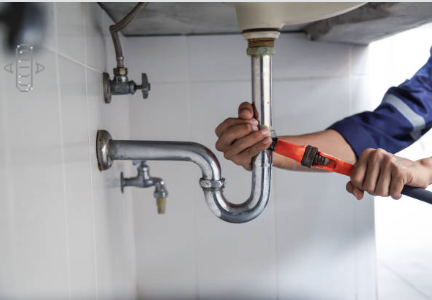
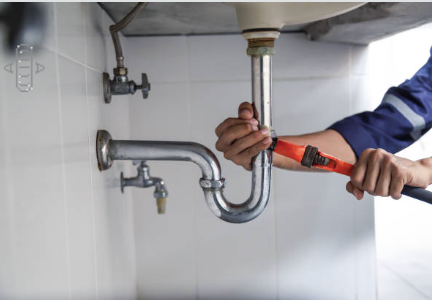
Look for Visible Leaks Inspect visible pipes under sinks and in basements for active leaks. Water pooling or dripping indicates leaks reducing your system pressure. Small leaks can usually be repaired temporarily with thread seal tape, but persistent leaks require professional repair.
When Professional Help Is Necessary
Some pressure problems require professional diagnosis and repair. Contact a licensed plumber if you notice these situations:
If pressure remains low after cleaning aerators and checking shut-off valves, a professional can measure your system pressure with a specialized gauge and identify underlying problems. If you suspect your pressure regulator is failing, a plumber can test it and recommend replacement. Hidden leaks detected through professional leak detection services require expert repair. If your home has galvanized pipes showing signs of corrosion (low pressure combined with discolored water), a plumber can assess whether pipe replacement is necessary.
For professional diagnosis and repair of low water pressure issues throughout California, Dallas, Florida, and nationwide, trust FixHome24’s experienced plumbers by dialing +18447064165. Visit https://www.fixhome24.com or call us for a thorough pressure evaluation and expert solutions.
Benefits of Professional Low Water Pressure Diagnosis
Accurate Problem Identification Professional plumbers use specialized pressure gauges and diagnostic equipment to pinpoint exact causes rather than guessing. This accuracy ensures repairs address the real problem, not just symptoms.
Prevention of Future Issues Plumbers identify underlying problems that could worsen over time. Addressing pressure issues early prevents more expensive repairs later.
Proper Solutions What works for one pressure problem may not work for another. Professionals recommend solutions tailored to your specific situation, ensuring effective repairs.
Peace of Mind Professional evaluation confirms your plumbing system is functioning properly or identifies necessary repairs. This knowledge protects your home investment.
Warranty Coverage Professional repairs come with warranties protecting you if problems recur. This security is unavailable with DIY attempts.
Finding Professional Water Pressure Services Near You
When searching for plumbers to address low water pressure, look for licensed professionals with strong customer reviews. Verify they offer pressure testing services and have experience diagnosing pressure problems. Ask about their diagnostic approach—quality plumbers test pressure before recommending solutions rather than assuming problems.
Check online reviews on Google, Yelp, and the Better Business Bureau. Licensed plumbers should carry liability insurance and offer upfront pricing for diagnostic visits. Many offer service call fees that apply toward repair costs if you proceed with their services.
Low water pressure significantly impacts your daily comfort and home functionality. Whether caused by a faulty pressure regulator, mineral buildup, hidden leaks, or localized fixture problems, professional diagnosis leads to effective solutions.
Start by troubleshooting simple issues like cleaning aerators and checking your shut-off valve. If pressure remains low, professional plumbers have the expertise and equipment to identify root causes and implement lasting fixes. From pressure regulator replacement to pipe descaling and line repairs, professional solutions restore normal water pressure efficiently.
Don’t tolerate weak water pressure indefinitely. Contact a licensed plumber to diagnose your pressure problem and recommend appropriate solutions. For professional low water pressure diagnosis and repair throughout California, Dallas, Florida, and across the USA, trust FixHome24. Our experienced plumbers deliver accurate diagnostics and effective solutions that restore strong water pressure to your home. Call us today +1 8447064165 to schedule your pressure evaluation and get back to enjoying normal water flow.